

Is a Fixed-Rate or Adjustable-Rate Mortgage Right for You?

Choosing the right mortgage is one of the most important financial decisions you’ll make when buying a home. Two of the most common mortgage types are fixed-rate and adjustable-rate mortgages (ARMs). Each offers distinct advantages and potential risks, making it essential to understand how they work to select the best fit for your financial situation and long-term goals. 

Understanding Fixed-Rate Mortgages 

A fixed-rate mortgage features an interest rate that remains constant over the life of the loan. This means your monthly principal and interest payments will never change, providing a sense of stability and predictability. This loan type is often favored by homeowners planning to stay in their home for many years, as it allows for consistent budgeting without surprises from fluctuating interest rates. 

Fixed-rate mortgages come in various term lengths, with the 15-year and 30-year loans being the most popular. While the 15-year fixed-rate mortgage typically carries a lower interest rate and allows you to build equity faster, it comes with higher monthly payments. The 30-year fixed loan offers lower monthly payments but more interest paid over time. 

The primary benefit of a fixed-rate mortgage is the security it offers against rising interest rates. In a rising rate environment, homeowners with fixed loans are protected from increased payments. This can make long-term financial planning easier, especially for those with fixed or predictable incomes. 

What Are Adjustable-Rate Mortgages (ARMs)? 

Adjustable-rate mortgages start with a fixed interest rate for an initial period — commonly 3, 5, 7, or 10 years — after which the rate adjusts periodically based on a benchmark index plus a margin. These adjustments occur annually or semi-annually depending on the loan terms. 

The key appeal of ARMs is the typically lower initial interest rate compared to fixed-rate mortgages, which can result in lower monthly payments early on. For borrowers who expect to move, refinance, or see a significant increase in income within the initial fixed period, ARMs can offer substantial savings. 

However, the trade-off is the uncertainty of future payments. Once the fixed period ends, your interest rate and payments may increase or decrease depending on market conditions. If rates rise significantly, monthly payments can become substantially higher, potentially impacting your budget. 

Comparing Fixed-Rate and Adjustable-Rate Mortgages 

When deciding between fixed and adjustable rates, consider your personal financial goals, risk tolerance, and how long you plan to stay in the home. 

  • Stability vs. Flexibility: Fixed-rate mortgages provide payment stability and predictable budgeting. ARMs offer lower initial payments and can be more flexible, but come with uncertainty about future rates. 
  • Duration of Homeownership: If you plan to own your home long-term, a fixed-rate loan may provide greater peace of mind. If you anticipate moving within a few years, an ARM’s lower initial rate may save you money. 
  • Market Conditions: In a low-interest-rate environment, locking in a fixed rate may be beneficial. When rates are higher but expected to decline, an ARM might be advantageous. 
  • Income and Budget: Stable or fixed income borrowers often prefer fixed-rate loans for consistent payments. Borrowers with variable income or expecting future earnings growth might choose an ARM to capitalize on lower initial costs. 

How First Western Trust Mortgage Can Help 

Navigating mortgage options can be complex, particularly when balancing short-term affordability with long-term financial strategy. At First Western Trust, we work closely with each client to understand their unique circumstances and goals. We provide clear explanations of mortgage products and their potential impact on your financial future. 

Whether you are leaning toward the stability of a fixed-rate mortgage or the flexibility of an adjustable-rate mortgage, we can guide you through the process, ensuring you choose the right solution. Our team leverages deep industry knowledge and a commitment to personalized service to support your home financing journey. 

Final Thoughts 

Choosing between a fixed-rate and adjustable-rate mortgage requires careful consideration of your financial situation, goals, and market factors. Fixed-rate mortgages offer predictability and protection against rising interest rates, while ARMs provide potential savings and flexibility but carry more risk. 

Understanding these differences and how they relate to your needs will empower you to make an informed decision. Partnering with an experienced lender like First Western Trust Mortgage ensures you receive the guidance and support necessary to select a mortgage that fits your lifestyle and financial plans. 

Disclaimer: Personal banking services offered through First Western Trust Bank, Member FDIC  

First Western Trust is an Equal Housing Lender, NMLS #477166 

This content is for informational purposes only and does not constitute legal or tax advice. Please consult your legal or tax advisor for specific guidance tailored to your situation. First Western Trust Bank cannot provide tax advice. Please consult your tax advisor for guidance on how the information contained within may apply to your specific situation.  
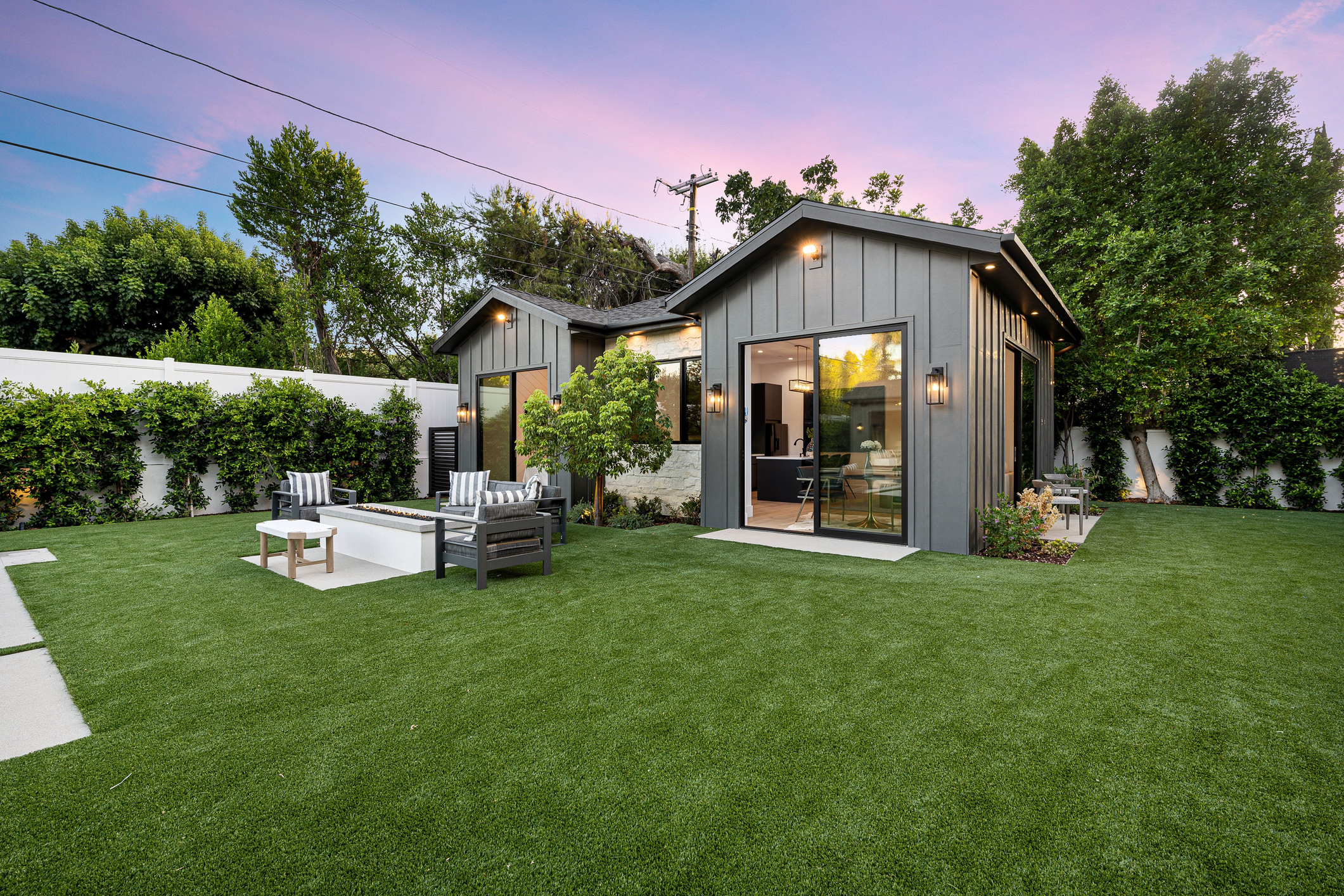
Building an ADU for Aging Parents: Comfort, Care, and Independence

As more families seek practical solutions to support aging parents, building an Accessory Dwelling Unit (ADU) has emerged as an increasingly popular option. An ADU is a secondary housing unit on a single-family property — often a converted garage, basement, or a small separate structure. For families, an ADU can provide a comfortable, private space for elderly parents while keeping them close to loved ones. This arrangement offers a unique balance between independence and care, making it a thoughtful alternative to traditional eldercare facilities. 

Why Consider an ADU for Aging Parents? 

Rising costs of assisted living and in-home care have made many families reconsider how best to support their elderly loved ones. An ADU enables parents to retain a degree of autonomy, reducing the emotional challenges that come with relocating to a care facility or moving in with family members in shared spaces. It also allows adult children to be nearby for support, offering peace of mind and easier access to care without sacrificing privacy. 

The proximity encourages family connection and helps foster a comfortable living environment tailored to the parent’s needs. Additionally, an ADU can increase property value and offer future flexibility — for example, as a rental unit or guest house — making it a sound investment for the long term. 

Zoning and Permitting Considerations 

Before starting construction, it’s essential to understand local zoning laws and permitting requirements. Regulations vary widely by city and county, with some areas having strict size limits, design standards, and occupancy rules for ADUs. Many municipalities have recently relaxed restrictions to encourage ADU development, but due diligence is key to ensuring your project is compliant. 

It’s advisable to consult with local planning departments or hire professionals familiar with your jurisdiction’s ADU regulations. Understanding setback requirements, parking rules, and allowable square footage can save time and costs during the permitting process. 

Construction Costs and Design Options 

The cost of building an ADU depends on factors like size, location, design complexity, and materials. On average, constructing a detached ADU can range from $100,000 to $300,000 or more, while converting existing spaces such as garages or basements can be more affordable alternatives. 

Design choices should focus on accessibility and safety to meet aging parents’ needs. Features such as single-level layouts, wider doorways, no-step entrances, grab bars, and non-slip flooring improve comfort and reduce fall risks. Incorporating energy-efficient appliances and fixtures can also lower utility costs and increase sustainability. 

Many families choose a custom design tailored to their loved one’s preferences and medical needs, while others opt for modular or prefab ADUs that offer quicker construction timelines and potentially lower costs. 

Financing Your ADU Project 

Financing an ADU can be a significant concern, but several options are available. Traditional mortgage loans may allow homeowners to include an ADU construction or renovation as part of a home equity line of credit (HELOC) or a cash-out refinance. Some lenders offer specialized loans designed for ADU construction, recognizing the growing demand for these projects. 

Working with a bank or financial institution experienced in flexible lending options can help you find the right solution that fits your budget and long-term financial goals. Some programs also offer favorable terms for energy-efficient or accessible design improvements. 

Emotional and Financial Benefits 

Beyond practicality, building an ADU fosters emotional well-being for both aging parents and their families. Parents maintain independence and dignity, living in their own space, while children benefit from the reassurance that help is close by. This arrangement can reduce caregiver stress and improve quality of life across generations. 

Financially, an ADU can offset some elder care expenses by reducing the need for costly assisted living or round-the-clock in-home care. Additionally, the added living space increases property value and creates a potential rental income source if parents no longer require the unit. 

Long-Term Planning and Quality of Life 

Building an ADU is more than just adding a physical structure — it’s about creating a sustainable, compassionate living solution that supports aging with grace and dignity. Families should consider future needs and possible changes in health status, designing a space that can adapt to evolving requirements. 

Consulting with healthcare professionals, financial advisors, and housing experts ensures a comprehensive approach that balances comfort, care, and independence. Taking the time to plan carefully results in a home environment that enriches relationships and provides security for years to come. 

Partnering with First Western Trust Mortgage

For families considering an ADU, First Western Trust offers personalized financial guidance and lending solutions tailored to these unique projects. With experience serving clients who have complex financial situations and a commitment to thoughtful planning, First Western Trust can help you navigate financing options that make building an ADU feasible and affordable. 

Whether exploring home equity financing or specialized loans for ADU construction, partnering with a trusted bank provides the expertise and support to bring your vision to life — ensuring your parents enjoy comfort, connection, and independence in their golden years.